
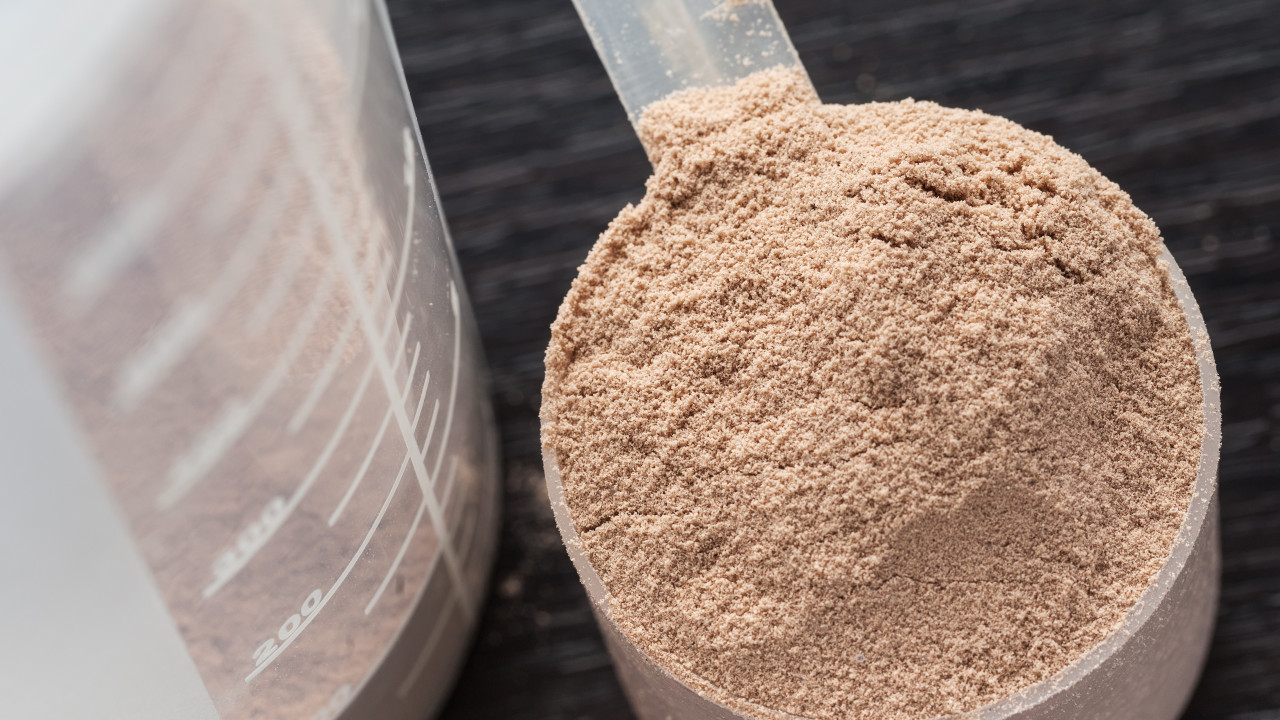
 Your manufacturer influences product quality, consistency, lead times, and ultimately whether your customers return. Selecting a capable partner ensures smooth operations, while the wrong choice can mean wasted investment and lost credibility.

- Choosing the right protein supplement manufacturer is critical for product quality, compliance, and brand success.
- Key considerations: protein type, format, flavours, packaging, target market, regulatory compliance, minimum order quantities, and lead times.
- Evaluate manufacturers based on experience, formulation expertise, certifications, quality control, and partnership potential.
- Avoid common mistakes: selecting based solely on price, ignoring experience with your protein type, overlooking minimum orders, and failing to clarify intellectual property ownership.
- Successful brands align manufacturer capabilities with their product vision and market positioning.
Protein Manufacturers
Launching a protein supplement brand is exciting, but the most critical decision you’ll make is choosing the right manufacturer. Your manufacturer influences product quality, consistency, lead times, and ultimately whether your customers return. Selecting a capable partner ensures smooth operations, while the wrong choice can mean wasted investment and lost credibility.
This guide outlines how to evaluate protein supplement manufacturers, the key questions to ask, and the factors that differentiate Rain Nutrience as an industry-leading partner from mediocre suppliers.
What Are Protein Supplement Manufacturers?
Protein supplement manufacturers are specialist companies that formulate, produce, and package protein products for brands. They handle sourcing, blending, and packaging, letting you focus on brand development, marketing, and customer experience.
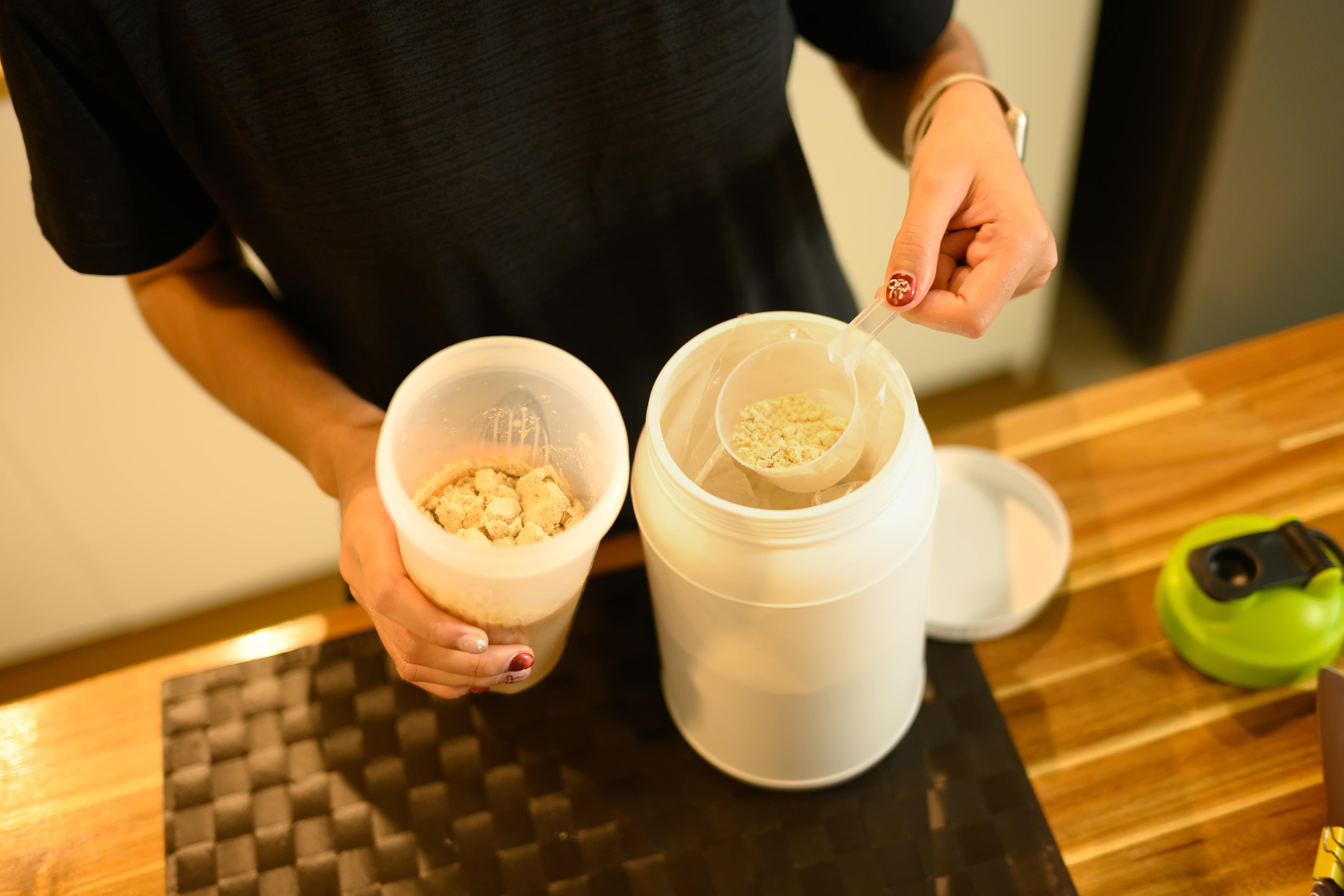
Why Choosing the Right Manufacturer Matters
Product Quality Drives Brand Success
Protein quality affects taste, mixability, and efficacy. Poor-quality products lead to negative reviews, returns, and lost customers. Leading manufacturers invest in advanced blending systems, rigorous batch testing, and premium raw materials. At Rain Nutrience we utilise state of the art MATCON IBC blending systems to move bulk powders and materials hygienically between manufacturing steps and enable the most effective blending of powder available.
Manufacturer Capabilities Determine Your Product Range
Unique flavours, multi-format products, or functional ingredients require specialised capabilities. Clarifying a manufacturer’s expertise upfront prevents disappointment and ensures your product vision is feasible.
At Rain Nutrience, our experience lies in a range of sport and performance nutrition supplements. These can be powders, capsules, tablets, or even sub-assembly blends for onward manufacture.
Regulatory Compliance Protects Your Business
The supplement industry is regulated. Compliant manufacturers hold certifications like BRC for food safety or Informed Sport for athlete-safe products. These ensure your products meet legal requirements and consumer expectations.
How to Choose Protein Supplement Manufacturers
Step 1: Define Your Product Requirements
Detail your product vision before contacting manufacturers. Include:
- Protein type and source: Whey, casein, or plant-based blends. Ensure experience with your chosen protein.
- Format: Powder, bars, ready-to-drink, or enriched foods. Each requires specific capabilities.
- Flavours and functional additives: BCAAs, vitamins, or creative flavouring.
- Packaging: Consider your preferred packaging materials such as tubs, sachets, or custom formats.
- Target market and positioning: Premium, value-focused, or clean-label.
Step 2: Research
Identify a manufacturer specialising in sports nutrition such as Rain Nutrience.
Screen based on:
- Product focus and experience
- Certifications and compliance
- Minimum order flexibility
- Formulation support
- Format capabilities
Step 3: Assess Capabilities and Expertise
Ask your chosen manufacturer:
- How long have you been producing protein supplements?
- Which protein sources do you handle, and can you advise on formulations?
- What blending and quality control systems are in place?
- Can you support flavour or product innovation?
- Minimum order quantities and scalability
- Certifications held (Look for BRC, Informed Sport, Halal and Kosher)
Step 4: Evaluate Quality and Testing
- Testing protocols: Ensure protein content, amino acid profiles, and contaminant checks are standard.
- Ingredient sourcing: Confirm traceability and premium standards.
- Contamination control: Dedicated equipment or clean-room protocols for allergen safety.
- Stability and shelf-life: Products should remain consistent throughout their stated shelf life.
Step 5: Pricing and Payment Terms
- Clarify per-unit costs and total investment including formulation, packaging, and setup fees.
- Understand economies of scale and pricing flexibility.
- Confirm deposit requirements and payment schedules.
Step 6: Verify Testimonials
- Request testimonials from similar brands.
- Verify accreditations through official registers.
- Visit facilities if possible to observe operations firsthand.
- Research online reputation and regulatory compliance history.
Additional Resources for Protein Supplement Manufacturers
Industry knowledge:
- Understanding target markets for nutritional supplements
- Supplement manufacturing trends
- How to start your own supplement brand
Manufacturing guidance:
- Choosing the right vitamin and supplement manufacturer
- Why experience matters in supplement manufacturing
Product development:
Choosing the right protein supplement manufacturer is critical. Evaluate multiple options, ask thorough questions, and verify capabilities. The ideal manufacturer matches your product vision, aligns with your budget, and communicates transparently.
Ready to bring your protein supplement to market? Contact Rain Nutrience for a free, no-obligation call with a member of our team.
FAQs
- What is a protein supplement manufacturer? A company that formulates, produces, and packages protein products for brands.
- Why is the manufacturer important? They determine product quality, consistency, compliance, lead times, and customer satisfaction.
- What should I ask manufacturers? Experience with your protein type, blending processes, formulation support, certifications, minimum order quantities, and quality control.
- How do I verify claims? Check certifications, request references, visit facilities, and review regulatory history.
- Common founder mistakes? Choosing based on price, ignoring protein-specific experience, overlooking minimum orders, not clarifying IP ownership, and underestimating timelines.
- Can manufacturers help with formulation? Experienced manufacturers provide guidance on ingredients, flavours, and dosing to create market-ready products.

Written by Julian Cibotaru
Product Development Manager, Rain Nutrience
Julian leads product development at Rain Nutrience, specialising in the formulation of electrolyte supplements and functional nutrition products. He works closely with brands to create tailored solutions for sports recovery, hydration, and everyday wellness.